Energy, HVAC & Lighting
See where energy is going. Then act on it.
LEXI combines energy visibility, HVAC and plant optimization, lighting control and Managed Power on one connected building edge.
Measure first. Optimize where the building creates value. Add more without rebuilding the infrastructure.
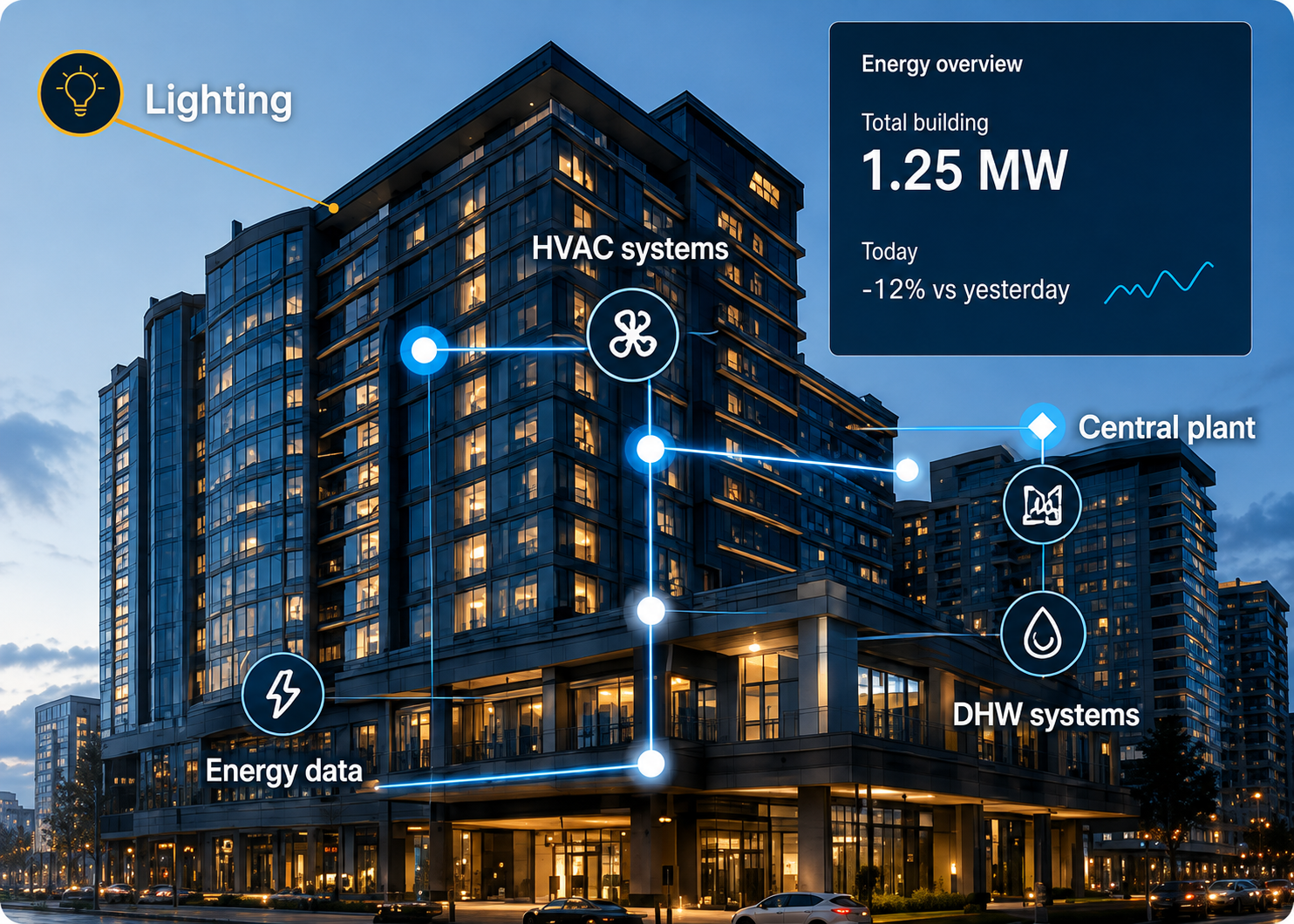
Measure → Understand → Optimize → Verify
Turn building data into measurable operating action.
LEXI brings meters, equipment state, occupancy and schedules together so teams can move from visibility to governed local action.
Measure
Monitor whole-building, floor, zone, equipment and selected connected-load energy.
Understand
Compare trends, schedules, operating state and building conditions.
Optimize
Apply supported HVAC, plant, lighting and energy strategies.
Verify
Use measured energy and equipment response to evaluate results and surface exceptions.
Build the Energy Data Foundation
Know what the building, zone and equipment are actually using.
Bring connected meters and equipment data into one operating view.
Energy monitoring & analytics
Whole-building and equipment-level monitoring, interval data, trends and abnormal-use visibility.
Sub-metering
Floor, zone, equipment and selected-load measurement using supported connected metering.
Benchmarking
Compare properties, zones, equipment and time periods to identify performance differences.
Carbon & reporting support
Use measured energy data to support emissions tracking, sustainability reporting and operating reviews.
Move From Data to Control
Reduce avoidable consumption while protecting comfort and equipment.
Use occupancy, weather, schedules, energy and equipment state to optimize supported HVAC and thermal systems through governed control.
Automated Energy Management
Apply schedules, setbacks, bounded setpoints, occupancy modes and approved load-reduction strategies.
Room & zone HVAC
Use occupancy-aware schedules, setbacks and comfort limits to reduce unnecessary conditioning.
RTU optimization
Reduce unnecessary runtime using occupancy, temperature, weather and equipment state.
Chiller & central plant optimization
Use load and plant telemetry for supported staging, sequencing, pump strategies and abnormal-operation detection.
DHW optimization
Reduce DHW waste through monitoring, diagnostics and supported recirculation strategies within water-safety and equipment constraints.
Predictive event-space comfort In Development
Anticipate likely event-space use and pre-condition before arrival using historical and thermal context.
Progressive DHW control In Development
Advance from monitoring and advisory toward recirculation control, predictive tank charging and boiler staging as commissioning and fallback behavior are validated.
Extend Optimization Beyond HVAC
Use the same connected edge to manage lighting and electricity economics.
Lighting automation & daylight
Use occupancy, schedules and available daylight context to control supported lighting and reduce unnecessary runtime.
Shading & solar gain management Partially Available
Coordinate supported shading controls with sun exposure, schedules and thermal conditions where compatible devices are available.
Managed Power
Where permitted, procure electricity at wholesale or competitive-supply rates and recover the allowed retail or embedded value. The spread can create recurring NOI.
Illustrative underwriting
A 151-unit Quincy, MA base-case model generated approximately $183,000 of annual Managed Power NOI. Illustrative model output — not a realized result, forecast or commitment.
Regulatory fit matters
Electricity resale, sub-metering and recovery rules vary by state and property type. Each deployment must fit the applicable utility and regulatory environment.
More Value From the Same Data
Let energy, equipment and occupancy context improve other applications.
A shared building edge lets one data set support multiple operating outcomes.
Occupancy, Environment & Facility Use
Use occupancy and environmental context to improve HVAC, lighting and comfort strategies.
Equipment Monitoring & Diagnostics
Use equipment state, faults and runtime data to verify response and identify operating problems.
Sustainability & Reporting
Reuse metering and benchmarking data for portfolio, carbon and reporting workflows.
AI & Connected Intelligence
Expose approved energy and equipment data to APIs, partner analytics and enterprise workflows.
Start With One. Expand Over Time.
Measure first — then add the control strategy that creates the most value.
Start with energy visibility, HVAC / plant optimization, lighting or Managed Power, then add compatible capabilities on the same connected edge.
Energy visibility
Monitoring, sub-metering, benchmarking and reporting.
HVAC & plant
Automated energy management, room HVAC, RTUs, chillers, central plant and DHW.
Lighting & power
Lighting automation, daylight strategies, supported shading and Managed Power.
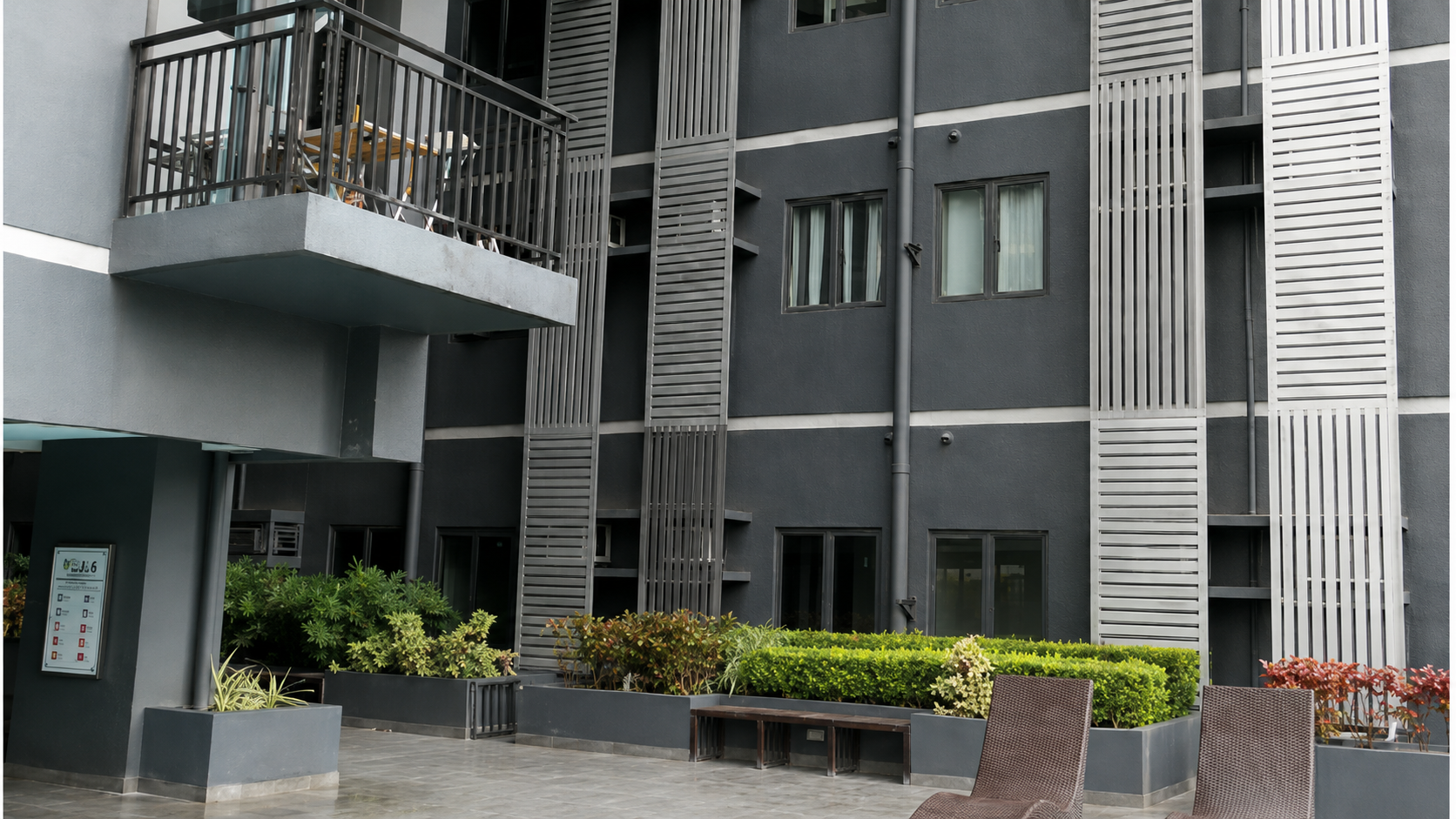
Demonstrated result
51% average HVAC energy savings — Scottsdale, AZ hospitality deployment.